In today’s competitive market, businesses thrive on relationships, efficiency, and smart decision-making. Managing leads, tracking deals, and nurturing customer relationships manually is not only time-consuming but also prone to errors. That’s where a Sales CRM comes in—a powerful tool designed to streamline and supercharge your sales process.
If you’ve ever wondered what exactly a Sales CRM is and why your business needs one, this article will give you a complete, easy-to-understand breakdown that helps you see how it can transform your business growth.
What Is a Sales CRM?
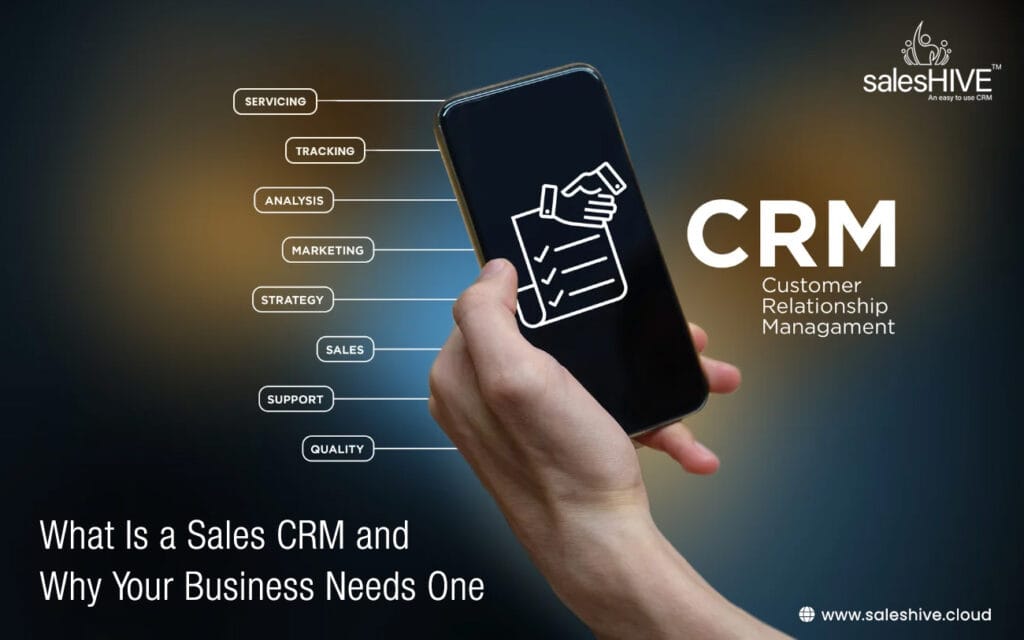
A Sales CRM (Customer Relationship Management) system is a software solution that helps businesses manage all interactions and relationships with current and potential customers.
Think of it as the central nervous system of your sales operations. It collects, organizes, and analyzes customer information—from the first contact to a closed deal—so your team can make informed, data-driven decisions.
In simple terms, a Sales CRM software helps you track leads, manage opportunities, automate repetitive tasks, and improve team collaboration, all in one place.
How Does a Sales CRM Work?
A Sales CRM works by storing every piece of customer data in a centralized database. Every time your team interacts with a lead—whether through calls, emails, or meetings—the system automatically logs the activity.
Here’s how it works in action:
- Lead Capture: A Sales CRM automatically captures leads from multiple sources—like your website, social media, or email campaigns.
- Lead Tracking: It then assigns these leads to your sales reps and tracks their journey through the pipeline.
- Automation: Tasks such as follow-up emails, reminders, and updates are automated to save time and prevent missed opportunities.
- Analytics & Reporting: The system provides in-depth insights into your sales performance, helping you identify trends and areas for improvement.
By automating repetitive tasks and centralizing information, a sales CRM software allows your team to focus more on building relationships and closing deals rather than managing spreadsheets.
Key Features of a Sales CRM Software
A robust Sales CRM software offers several core features designed to simplify your workflow and boost productivity. Some of the most essential ones include:
1. Lead and Contact Management
Easily store and organize customer information—names, contact details, communication history, and preferences—in one place. This ensures every sales rep has a 360° view of the customer journey.
2. Pipeline and Deal Tracking
Visualize where each prospect stands in the sales process. With pipeline tracking, you can prioritize leads, forecast revenue, and avoid missing crucial follow-ups.
3. Task Automation
Automate everyday tasks such as sending follow-up emails, scheduling meetings, and updating records. This helps eliminate human errors and keeps your workflow consistent.
4. Reporting and Analytics
Get detailed reports that reveal which sales strategies are working and which are not. Data-driven insights enable you to make smarter business decisions and optimize your sales process.
5. Team Collaboration Tools
Sales CRM software allows teams to share notes, updates, and progress in real-time, ensuring everyone stays on the same page and no opportunity slips through the cracks.
Benefits of Using a Sales CRM
Now that you know what a Sales CRM is, let’s explore how it can make a real difference for your business.
1. Better Organization and Efficiency
A Sales CRM eliminates scattered data and multiple spreadsheets. It organizes everything—from leads to customer communications—making your team more efficient and responsive.
2. Enhanced Customer Relationships
With access to detailed customer histories, your sales team can personalize every interaction. Customers appreciate being understood, and personalization often leads to higher satisfaction and loyalty.
3. Increased Sales and Revenue
By automating follow-ups and tracking leads effectively, you minimize missed opportunities. A well-implemented Sales CRM helps shorten sales cycles and increase conversion rates.
4. Accurate Sales Forecasting
Predicting revenue becomes easier with data-driven insights. CRM analytics give you a clear picture of your pipeline, helping you forecast sales and set realistic targets.
5. Improved Team Collaboration
When all team members work within the same system, collaboration becomes seamless. Everyone can view updates, progress, and customer details in real-time.
6. Time-Saving Automation
Sales CRM software takes care of routine tasks, freeing up valuable time for your team to focus on building relationships and closing deals.
How to Know If Your Business Needs a Sales CRM
Wondering whether your business really needs one? Here are a few signs:
- You’re losing track of leads or forgetting to follow up.
- Your sales team spends more time on admin work than actual selling.
- Customer information is scattered across emails and spreadsheets.
- You struggle to measure sales performance or forecast results.
If any of these sound familiar, a Sales CRM is not just a luxury—it’s a necessity.
Tips for Getting the Most Out of Your Sales CRM Software
To fully benefit from your CRM investment, keep these tips in mind:
- Train your team to use it effectively. A CRM is only as good as the people using it.
- Keep your data clean by regularly updating and verifying customer information.
- Automate wisely. Don’t overdo automation—keep the human touch where it matters.
- Use reports and analytics to continuously improve your sales strategies.
A Sales CRM is no longer an optional tool—it’s the backbone of a modern sales strategy. It empowers businesses to organize leads, automate tasks, improve communication, and close more deals in less time. Whether you’re a startup or an established enterprise, investing in a sales CRM software can significantly improve productivity and revenue growth.In a world where customer relationships drive success, a Sales CRM helps you stay connected, informed, and ahead of your competition. If your goal is to grow smarter and sell faster, the right CRM system is your key to success.
Also Read: How Tech Startups Scale Faster with Smart Sales Pipeline Management